Today more than ever, software and algorithm-based applications support numerous areas across the supply chain, from route optimization and shipment tracking to warehouse management. This also applies to one of logistics’ core disciplines: the safe, economical, and efficient planning of cargo movements and the optimal utilization of available transport capacity.
Particularly in comprehensive projects facing limited transportation capacity, precise load planning enables the early identification of required transport space, the selection and securing of suitable transport units, and the optimization of transportation concepts and cost calculations. To support these efforts, deugro utilizes CargoPlanner, a specialized software solution that enables teams to digitally simulate and evaluate various loading and transportation options during the early stages of a project.
We spoke with Sebastian Wüstenhagen, Business Application Deployment Specialist at deugro, about the importance of digital load planning and how modern software solutions support the development of efficient logistics concepts.
deugro is primarily associated with the transportation of oversized and heavy-lift project cargo. Beyond that, what role do containerized shipments, truckloads, and air freight play?
SW: While deugro is particularly known for planning and executing complex projects encompassing oversized and heavy-lift cargoes, container shipments, conventional airfreight and truck transports, have been part of deugro’s service portfolio since foundation over a hundred years ago. Especially within large turnkey projects, these shipments can account for a significant share of the overall transport volume.

A project rarely consists exclusively of oversized and heavy-lift cargo. More often, a considerable amount of containers, conventional freight units, and time-critical air freight shipments must be transported and coordinated alongside the oversized and heavy cargo components. The ability to integrate and manage all transportation modes within a single logistics concept has therefore always been a key element of our project approach.
How does CargoPlanner support deugro’s teams?
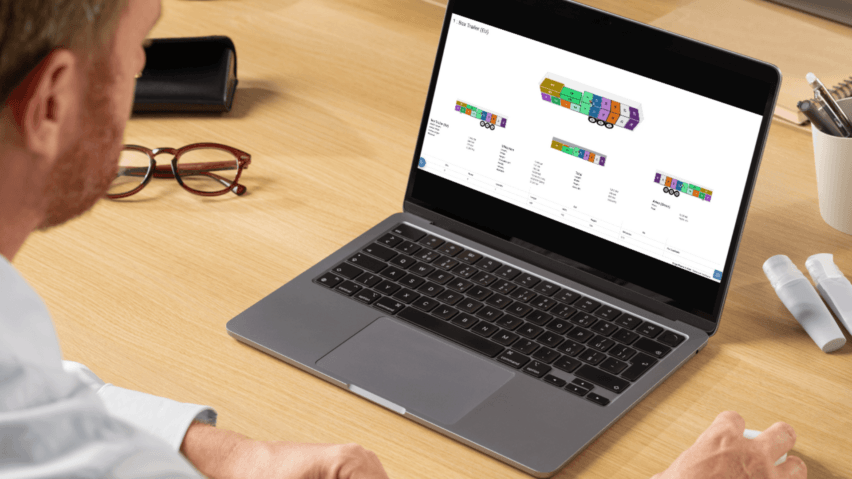
SW: CargoPlanner is a specialized load planning platform that enables our teams to model and visualize different loading scenarios based on the actual dimensions and requirements of the cargo. The software supports the planning of containers, trucks, breakbulk shipments, and air freight units, providing realistic visualizations of potential transport configurations. This allows our teams to compare different options during the proposal and concept development stages and identify the most suitable solutions at an early stage.
What advantages do the platform’s 3D load planning capabilities offer?
SW: The detailed 3D visualizations enable our teams to realistically represent loading scenarios and compare different loading options. At the same time, capacity utilization analyses can be performed, and potential optimization opportunities can be identified. The platform helps us maximize the use of available transport capacity, improve transport configurations, and enhance the overall accuracy of our planning. This creates a solid basis for both technical assessments and commercial decision-making.

What tangible benefits does this provide to deugro’s clients?
SW: For our clients, this primarily means greater transparency, planning reliability, and access to alternative solutions. Transportation concepts can be evaluated based on realistic loading and capacity utilization scenarios before operational decisions are made. In addition, the ability to digitally simulate and compare different loading and stowage concepts enables the optimal utilization of available transport capacity. In many cases, this results in higher utilization rates for containers, trailers, or air freight units. Consequently, the number of required transports can be reduced, transportation costs lowered, and the CO2 emissions associated with these movements minimized. Efficient load planning therefore creates both economic and environmental benefits while helping our clients execute their projects as efficiently as possible.
How does CargoPlanner support collaboration with carriers and the development of transportation strategies?
SW: The ability to quickly evaluate different transportation alternatives provides our teams with valuable insights for discussions with carriers as well as for commercial assessments. By understanding at an early stage which transport units are required and how they can be utilized and combined most effectively, transportation strategies can be tailored precisely to a project’s specific requirements. This enables us to respond flexibly to changing conditions and develop customized logistics solutions.