When sustainability is discussed, the conversation often turns to environmental topics. Emissions, energy consumption, reporting requirements, and operational efficiency are all important parts of the equation.
At deugro, sustainability is built around three interconnected pillars: People, Planet, and Principles. Together, they help guide how we operate, collaborate, and create long-term value for our employees, clients, business partners, and the communities where we work. Within that framework, employee wellbeing plays an important role.
For Jin Guo, Sustainability Manager at deugro, one of the most significant developments in recent years has been the growing integration of sustainability into everyday business practices.

“We believe one of our greatest achievements has been fostering a culture of continuous improvement, where sustainability is viewed not as a separate initiative, but as an integral part of how we operate, collaborate, and create long-term value for our clients, employees, business partners, and the communities in which we operate.”
This evolution has influenced many areas of the business, including environmental management, governance, employee wellbeing, and workplace culture. As expectations continue to evolve, organizations are placing greater emphasis on creating environments where people feel supported, valued, and able to grow.
“People increasingly want to be part of organizations that support wellbeing, encourage personal and professional growth, promote inclusion, and act responsibly.”
Those expectations have helped shape deugro’s focus on mental health and wellbeing. OpenUp, Mental Health Awareness Month activities, employee feedback surveys, manager training, and local HR wellbeing ambassadors all contribute to creating a supportive workplace culture and keeping these conversations visible throughout the year.
Mental health has also become increasingly connected to leadership, employee engagement, and the overall employee experience.

As Jin explains:
“Topics such as mental health, wellbeing, and inclusion are increasingly becoming part of how we lead and support employees rather than being limited to dedicated campaigns.”
The continued focus on wellbeing reflects a broader commitment to supporting employees throughout their careers and ensuring that they have access to the resources and support they need.
Listening, Learning, and Improving
Employee feedback remains an important part of this effort. Through the Mental Health & Well-Being at Work Survey, employees have the opportunity to share their experiences, identify areas where support is working well, and highlight opportunities for improvement. The insights gathered help inform future actions and contribute to continuous improvement.
For Jin, employee engagement is fundamental to creating meaningful and lasting impact.
“Employee engagement is essential because policies and processes can only take us so far. In the end, people are the ones who bring sustainability to life through the choices they make and the way they work every day.”
Creating opportunities for people to participate is therefore an important part of deugro’s sustainability approach. Training, wellbeing initiatives, employee networks, community engagement activities, and knowledge sharing all help employees contribute beyond their day-to-day responsibilities.
“For us, engagement is about giving people practical ways to participate, speak up, share ideas, and help shape the culture around sustainability at deugro.”
A supportive culture grows through participation, dialogue, and shared responsibility. Employee feedback helps identify needs, while engagement creates opportunities for employees to influence how those needs are addressed.
Thinking Long-Term
From an HR perspective, wellbeing and long-term success are closely connected. When discussing the topic, Christian Schmidt, Global Head of People & Culture at deugro, often uses an analogy that reflects the importance of maintaining performance over time.
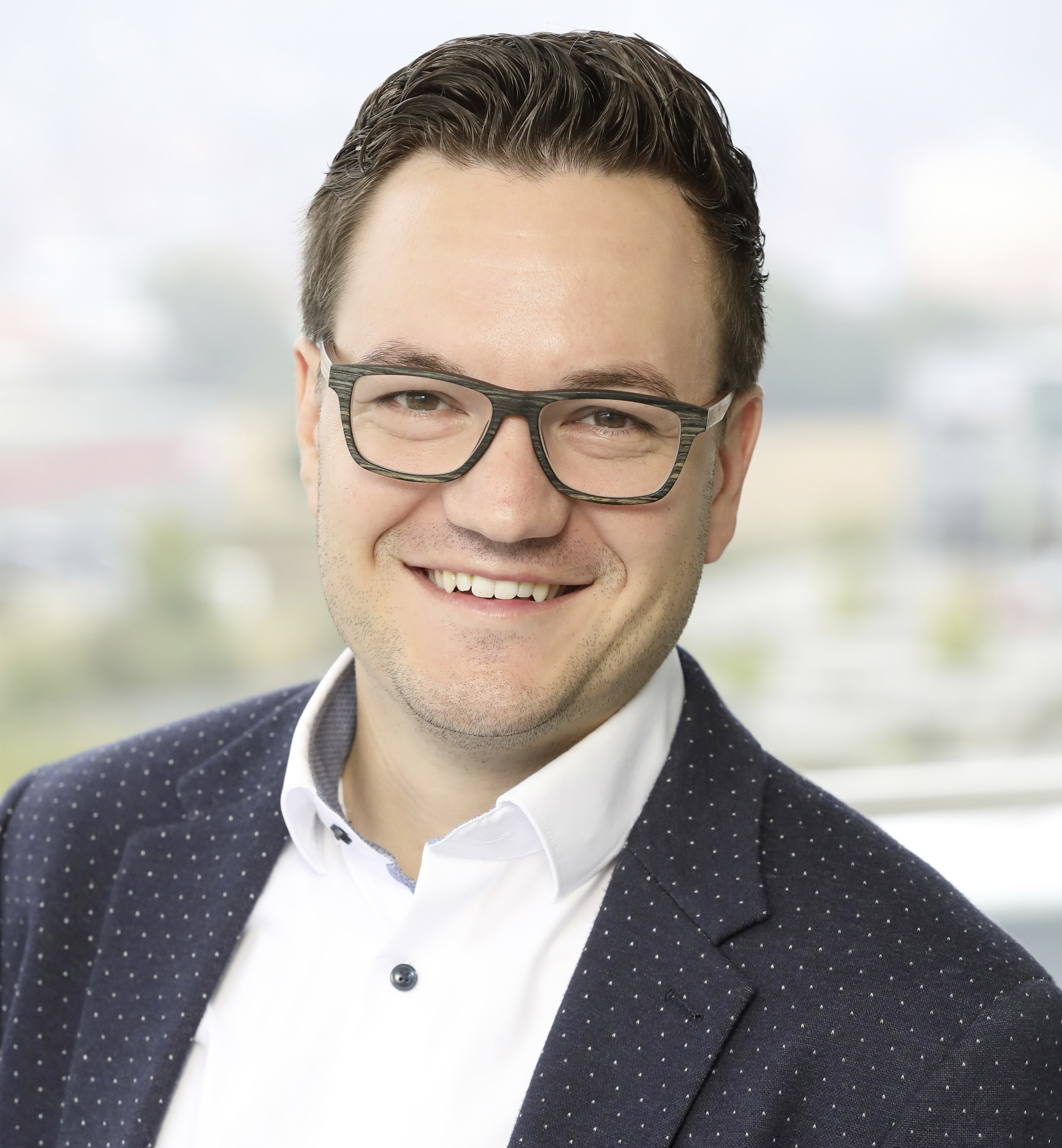
“Working life isn’t a 20-lap sprint where the goal is to win in the shortest possible time. It’s ultimately like a 24-hour race on the Nordschleife, where staying mentally and, depending on the profession, physically healthy and, above all, fit is crucial.”
The comparison highlights the importance of recovery, resilience, and maintaining wellbeing throughout a career.
“Today, as in previous decades, it’s even more important to give people time for relaxation and rejuvenation, whatever form that may take.”
Wellbeing challenges often develop gradually, making awareness and early support especially valuable.
As Christian explains:
“A decline in employee well-being doesn’t usually happen overnight; it’s a gradual process that is often first noticed by others in one’s personal life, not by the individual or a colleague/manager.”
This understanding reinforces the importance of keeping conversations around mental health active throughout the year and ensuring employees know where support is available.
“Accordingly, we have made it our goal to counteract these challenges and address the topic openly and regularly with our managers and employees.”

The Role of Leadership
Culture is shaped through everyday interactions. It can be seen in how teams communicate, how managers provide feedback, how people respond to challenges, and whether employees feel comfortable contributing their ideas and perspectives.
For Christian, communication remains one of the strongest foundations of an engaged workplace.
“Leaders must be open to new ideas; the world of work has always undergone generational shifts. It is primarily leaders who need to adapt to this, not the employees of the next generation.”
As teams become increasingly diverse and interconnected, adaptability, trust, and strong communication continue to support a positive employee experience.
Supporting Growth Beyond Wellbeing
Creating a sustainable workplace also involves helping employees grow and develop throughout their careers. Learning and development are therefore closely connected to long-term organizational success. For Christian, continuous learning remains essential for both individuals and businesses.
“Learning must be both encouraged and demanded.”
Organizations that invest in developing skills and capabilities are better prepared to navigate change and support future growth.
“Those who only think in terms of mandatory training will sooner or later be overtaken by the competition, who have recognized the importance of this topic.”

Building on a Strong Foundation
Wellbeing remains an ongoing area of focus for both Sustainability and HR. The initiatives introduced so far have created a strong foundation, while employee feedback, leadership engagement, and continued investment in support resources help guide future improvements. And as a result, at the same time, expectations continue to evolve.
Future generations are expected to place increasing importance on workplace culture, wellbeing, and corporate responsibility when choosing where to work. As Christian notes:
“First and foremost, they want to continue identifying with a company and what it does. This will play an increasingly important role in the future.”
He also sees a growing focus on prevention and healthy working environments.
“It won’t necessarily be about companies having a program or partner that addresses the issue when needed, but rather about preventing mental health from becoming an issue in the first place.”
Mental Health Awareness Month at deugro helps bring these conversations into focus. The work itself continues throughout the year through employee support initiatives, open dialogue, training, and ongoing improvements informed by employee feedback.
Supporting wellbeing, encouraging development, and fostering an inclusive workplace all contribute to the same objective: creating an environment where employees can contribute, grow, and thrive throughout their careers while helping deugro build a sustainable future.