Today, we’re pleased to welcome Rafael Avila, Branch Manager of deugro Chile.

Hey Rafael, thanks a lot for taking the time for this interview. To start with, can you briefly introduce deugro Chile?
deugro Chile was founded in 2010 and today operates with a highly experienced team specialized in project logistics and multimodal transport solutions. Since its establishment, the Chilean office has become a key player in supporting major mining, infrastructure, industrial, digital infrastructure and energy projects across the country…. Our team combines strong local expertise with deugro’s global project network, ensuring consistent standards, compliance, and engineering-driven solutions for complex logistics challenges.
Which are the main client groups and industries you serve?
As a well-integrated part of the global deugro network, we serve all project-related industries—ranging from mining and metals, traditional and renewable power and energy, to petrochemicals, oil and gas, to pulp and paper, mobility and data centers. Our core business is project logistics, with a primary focus on clients in the mining and energy sectors, which are key industries in Chile. We work closely with EPC contractors, OEMs, and industrial clients, supporting both greenfield and brownfield projects, as well as ongoing maintenance and expansion activities.
Which are the most requested services? Are there any special local services you offer?
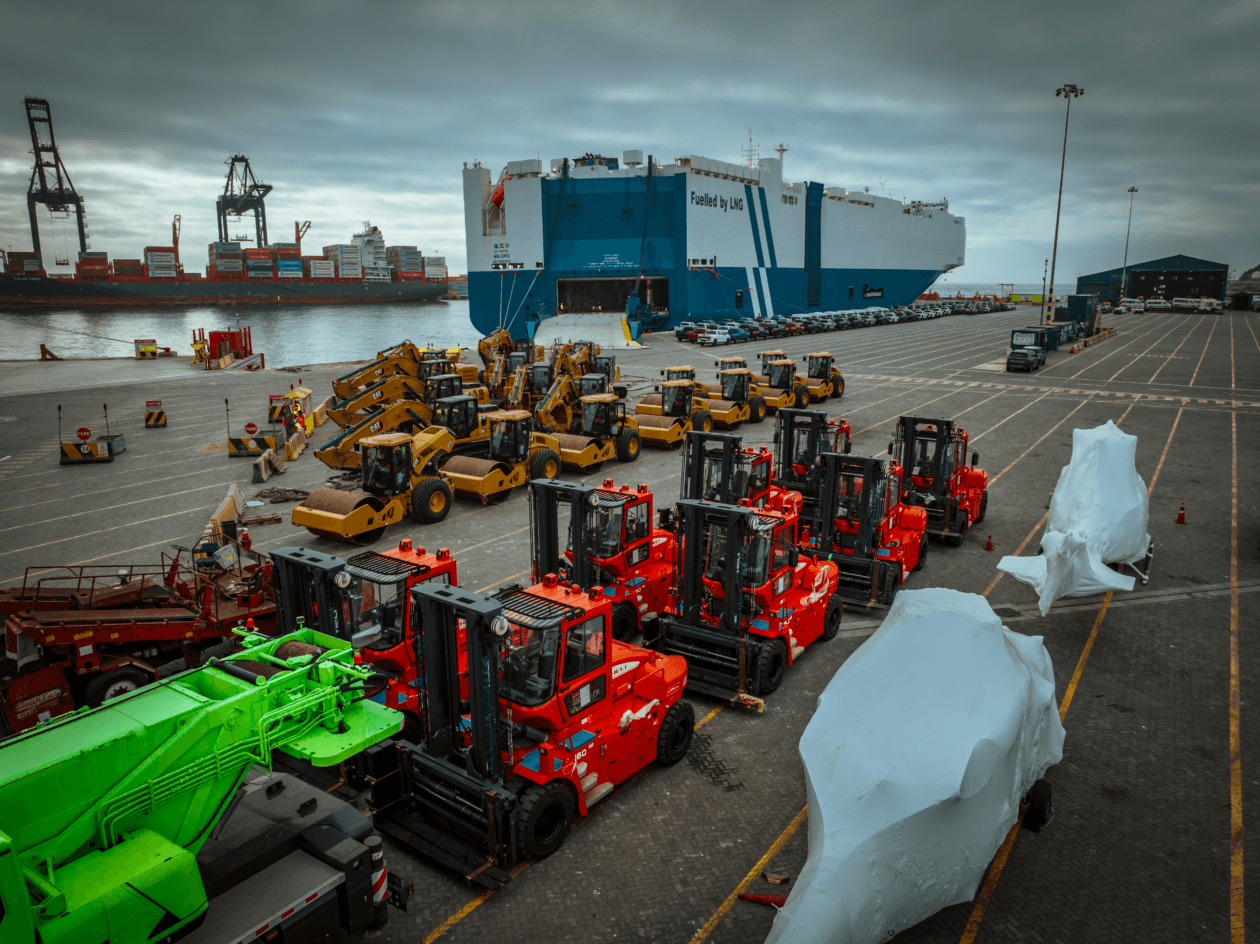
The most frequently requested services include ocean freight, especially breakbulk and project cargo; air freight for urgent and critical shipments, warehousing solutions; or domestic transportation for oversized and heavy cargo.
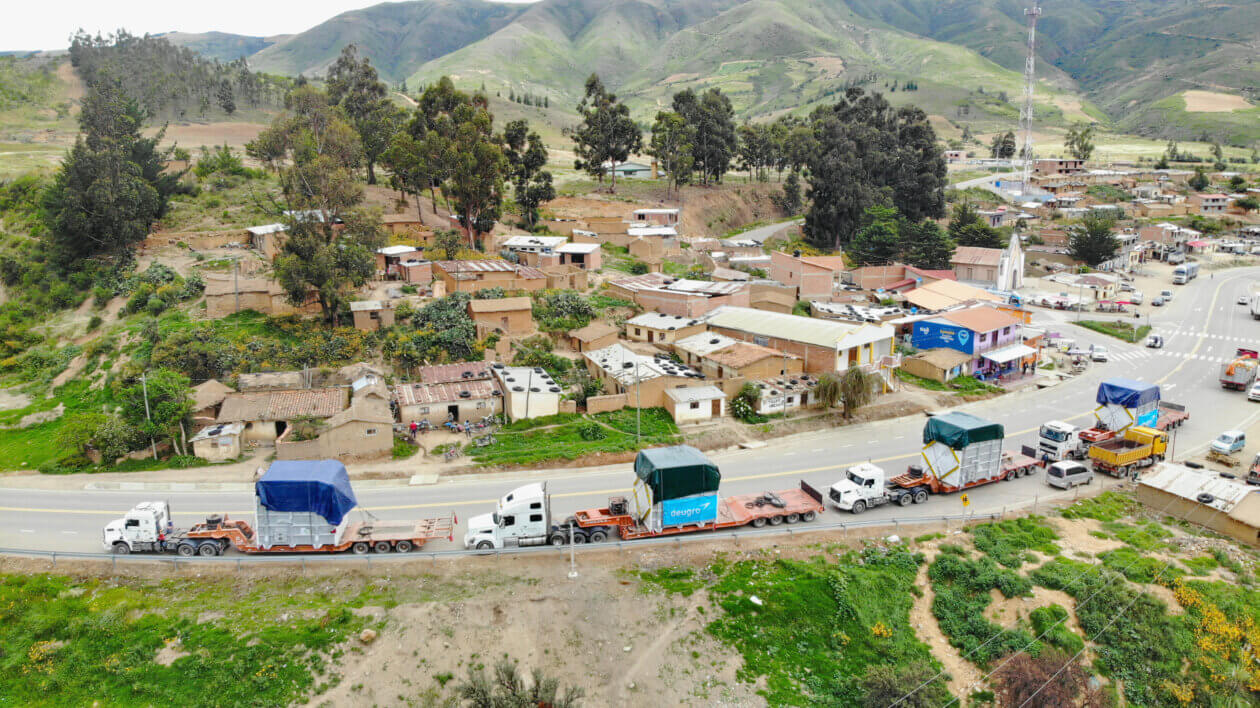
Locally, we provide tailor-made inland transport solutions and close coordination with port operators, authorities, and engineering partners to ensure safe and efficient delivery even under challenging conditions.
How can Chile’s domestic transport infrastructure be characterized for typical oversized and heavy-lift project cargo, and what roles do the different transport modes play? Are tools such as route surveys, traffic management, and transport engineering commonly applied in this context?”
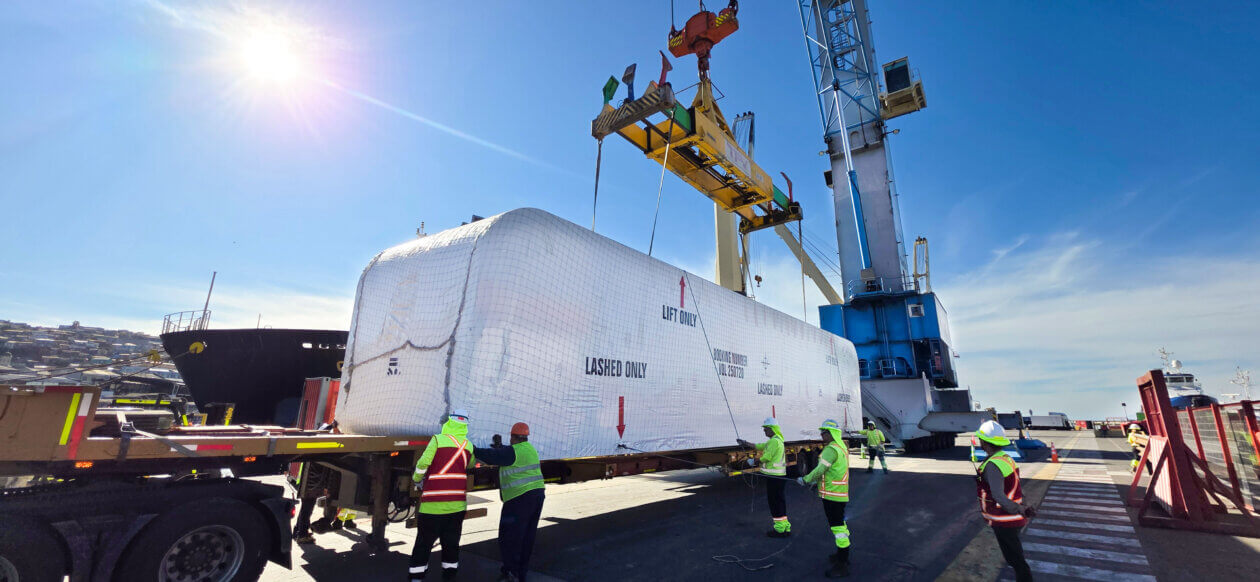
Chile offers a well-developed road, ports and airports infrastructure along the country and particularly in its central corridor; however, oversized and heavy lift cargo movements often require detailed route surveys, traffic management plans, and transport engineering. These tools are commonly used and are essential to ensure safety, feasibility, and compliance with local regulations in Chile.
Are there any challenges arising from uneven regional development, infrastructure maintenance, or climate-related risks such as flooding or low water levels as we find in many other regions of the world today?
Yes, infrastructure conditions can vary between regions, but not significantly, particularly when projects are in remote or extreme areas. In addition, factors such as weather conditions and limited infrastructure in remote areas of certain regions can pose challenges. These aspects require thorough planning, contingency strategies, and close coordination with local authorities. Depending on the project’s complexity and local conditions, transport engineering may also be required to ensure efficient and safe implementation/execution.
How do these factors influence your daily work and the selection of suitable transport routes—road, rail, or river—as well as the choice of appropriate transport modes and transport or handling equipment for oversized and heavy lift project cargo?
These factors directly impact route selection, transport modes, equipment choice, and scheduling. Our daily work involves adapting logistics concepts to local realities, balancing technical feasibility with regulatory requirements, time constraints, and cost efficiency—always prioritizing safety.
What about project cargo destined for remote regions? Is this a regular part of deugro Chile’s services, and could you share a few examples?
Yes, transporting project cargo to remote regions is a regular part of our services. One recent example includes the Punta Arenas bus tender, supporting infrastructure development initiatives in the southern regions of Chile, where long distances and challenging weather conditions require detailed planning and execution.
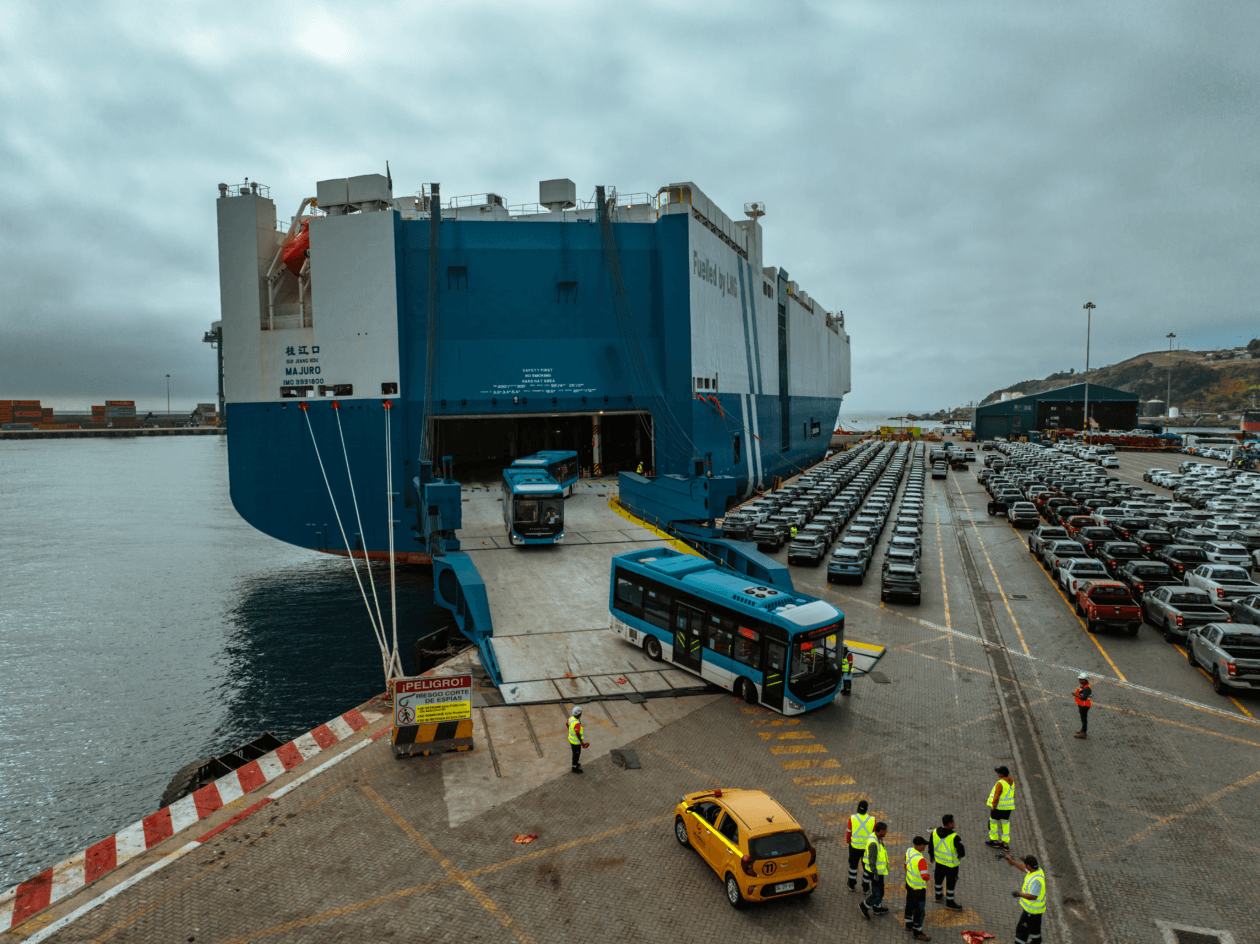
Today the project logistics industry is confronted with a variety of challenges—from geopolitical conflicts, trade wars, a worldwide expert shortage, equipment shortages, infrastructure challenges, or the energy transition. What are the biggest challenges you and your clients are currently facing and what solutions does deugro Chile have in place?
One of the main challenges is aligning client requirements with current market conditions, especially considering equipment availability, scheduling constraints, and budget limitations. Our role is to develop realistic, technically sound solutions that meet project needs while adapting to market realities and always meet and respecting the highest safety standards.
What would you say is deugro Chile’s greatest area of expertise and most significant advantage you offer your clients?
Our greatest strength lies in our project management capabilities combined with strong local execution. We offer clients direct access to deugro’s global expertise while maintaining a deep understanding of Chilean regulations, infrastructure, and operational conditions.
Are there any interesting market and business developments or challenges in Chile affecting project logistics or certain industries worth being mentioned?
One notable challenge is delays in obtaining oversized cargo permits, which can significantly impact project schedules. Managing these processes proactively and maintaining close communication with authorities is therefore a key part of our value proposition.